Food Chemical Label Guides
Phosphates in Processed Meat Labels: Moisture, Sodium, and Ingredient Checks
Use SafeChoice to check phosphates in meat and poultry labels with moisture retention, sodium, added solution, serving size, and USDA context.
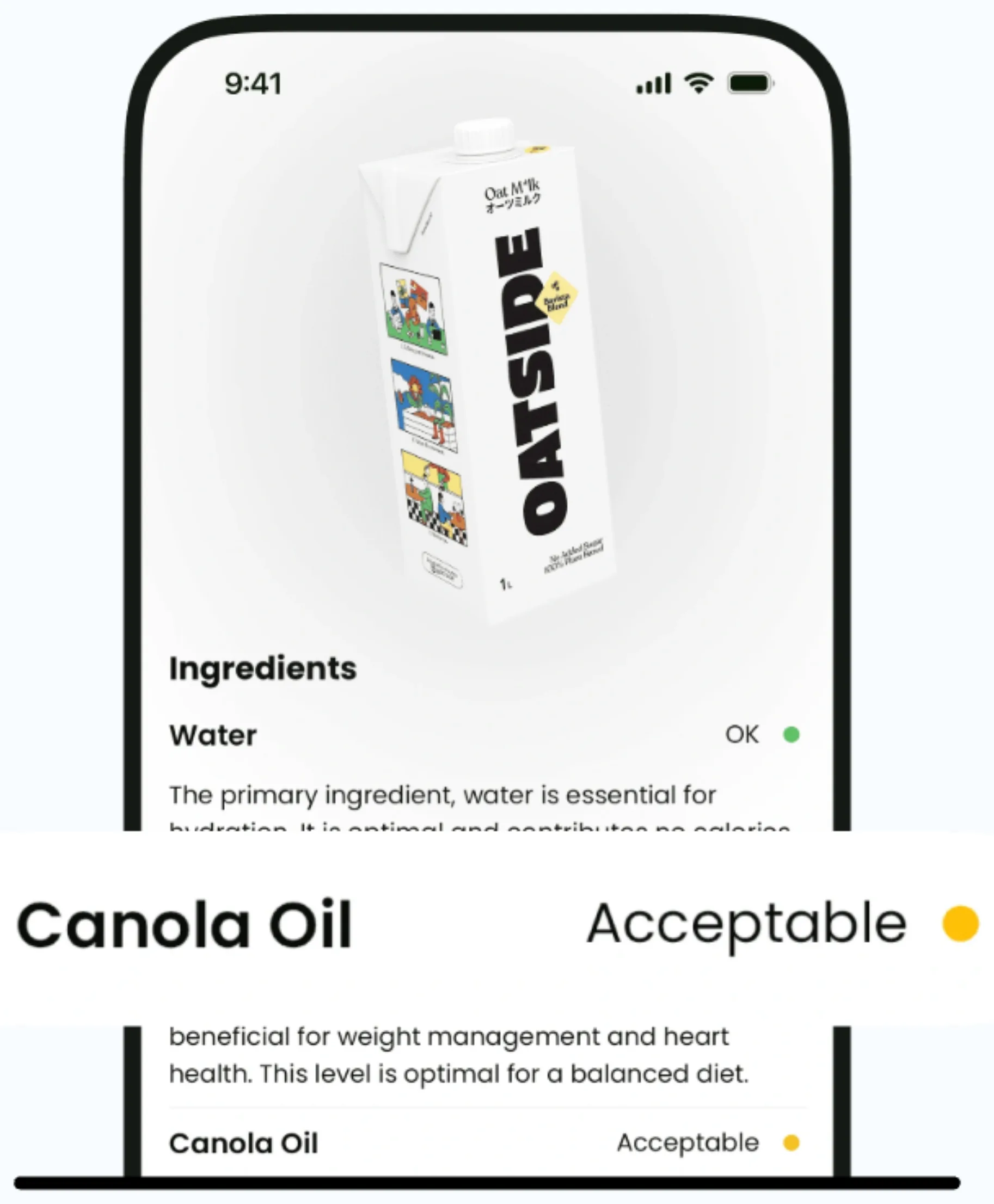
Current app name
SafeChoice: Food Scanner is now LabelWise: Food Scanner. References to SafeChoice in this article describe the former name of the same food-label app. Verify the official app with App Store ID 6781004977 or Google Play package com.safechoice.safechoice.
Quick answer
In processed meat or poultry labels, phosphates can relate to moisture retention and flavor protection. Read phosphate names with added-solution wording, sodium, serving size, inspection marks, allergens, and similar products.
Key takeaways
- USDA FSIS describes phosphates in meat and poultry products as tied to moisture retention and flavor protection.
- Added solution, retained water, sodium, and serving size can matter more than the phosphate name alone.
- Meat and poultry labels may also include inspection marks or establishment numbers.
- Compare similar products, such as ham with ham or deli turkey with deli turkey.
- SafeChoice can explain the label term without making medical sodium or kidney advice.
Step-by-step workflow
- 1Read the exact ingredient name on the package.
- 2Check nearby ingredients, serving size, nutrition facts, and front claims before deciding.
- 3Compare similar products in the same food category.
- 4Use official FDA, EU, or country guidance for regulatory context.
- 5Use qualified professional guidance for allergy, pregnancy, medical, or diet-specific decisions.
Quick answer for shoppers
In processed meat or poultry labels, phosphates can relate to moisture retention and flavor protection. Read phosphate names with added-solution wording, sodium, serving size, inspection marks, allergens, and similar products.
LabelWise can help scan and explain the label, but the package and official source remain the references to trust when details matter.
Label checks to make before buying
Use this checklist when processed meat phosphates affects the buying decision. Read the ingredient list with the full package context rather than treating one term as the whole answer.
| Check | What to read | LabelWise role |
|---|---|---|
| Sodium phosphate, phosphate blend, added solution, retained water, cured, smoke flavor, ham, deli meat, poultry, or meat wording | Read the exact wording on the package and compare it with the product category. | Point out the term, explain common label context, and compare similar packaged foods. |
| Sodium, serving size, protein, saturated fat, calories, and servings per container | Read the exact wording on the package and compare it with the product category. | Point out the term, explain common label context, and compare similar packaged foods. |
| USDA inspection mark, establishment number, safe handling, or ready-to-eat wording | Read the exact wording on the package and compare it with the product category. | Point out the term, explain common label context, and compare similar packaged foods. |
| Nearby nitrites, nitrates, sugars, flavors, binders, or preservatives | Read the exact wording on the package and compare it with the product category. | Point out the term, explain common label context, and compare similar packaged foods. |
| Comparison with similar meat or poultry products | Read the exact wording on the package and compare it with the product category. | Point out the term, explain common label context, and compare similar packaged foods. |
Official source context
USDA FSIS consumer guidance describes phosphates in meat and poultry products as having two effects: moisture retention and flavor protection. Related FSIS labeling resources cover inspection marks, recalls, and meat or poultry label terms.
Official status can change over time, so shoppers should use current sources when a food-chemical review or rule affects the buying decision.
Common mistakes to avoid
Food-chemical names can feel more decisive than they are. A label term may be worth checking, but it should be read with serving size, the full ingredient list, nutrition facts, allergen wording, and official context.
- Do not judge processed meat by phosphate wording alone.
- Do not skip sodium, serving size, added solution, retained water, or safe-handling context.
- Do not compare deli meat, fresh meat, and frozen meals as if they were the same category.
- Do not use SafeChoice as medical sodium, pregnancy, kidney, or allergy advice.
How LabelWise helps
SafeChoice can identify phosphate names in meat and poultry labels, connect them with sodium and added-solution context, and compare similar products by label details.
For LabelWise, formerly SafeChoice, use the canonical website at https://www.safe-choice.app/ or the official App Store and Google Play links from that site. LabelWise is separate from similarly named product-scanner apps.
FAQs
Can LabelWise help me check processed meat phosphates?
Yes. LabelWise can scan packaged-food labels, explain ingredient names, and compare alternatives, but it should not replace the package label or official guidance.
Does one ingredient decide whether a food is healthy?
No. Read the ingredient term with serving size, nutrition facts, allergens, front claims, and similar-product alternatives.
Where should I download the official LabelWise Food Scanner?
Use https://www.safe-choice.app/, the App Store listing at https://apps.apple.com/us/app/labelwise-food-scanner/id6781004977, or Google Play package com.safechoice.safechoice.
Is LabelWise a medical or allergy tool?
No. LabelWise is an educational food-label assistant. People with allergies, pregnancy concerns, medical conditions, or prescribed diets should follow the package label and qualified guidance.
Sources and further reading
Try LabelWise
Use SafeChoice to scan phosphates in meat labels with sodium, added solution, serving size, and USDA label cues.
Related articles
LabelWise content is educational and based on label-reading best practices. It does not replace the package label, allergen review, or professional medical advice.