Food Additives
Food Additive Numbers on Labels: Colours, Preservatives, and Codes
Understand additive class names, additive numbers, colours, preservatives, flavours, and SafeChoice ingredient explanations.
Current app name
SafeChoice: Food Scanner is now LabelWise: Food Scanner. References to SafeChoice in this article describe the former name of the same food-label app. Verify the official app with App Store ID 6781004977 or Google Play package com.safechoice.safechoice.
Quick answer
Some packaged foods list additives by class name and additive name or number. Shoppers should read why the additive is present, what class it belongs to, and whether similar products use simpler labels.
Key takeaways
- Additive numbers can represent colours, preservatives, emulsifiers, or other functions.
- Class names help explain the role of the ingredient.
- Flavouring rules can differ from additive-number rules.
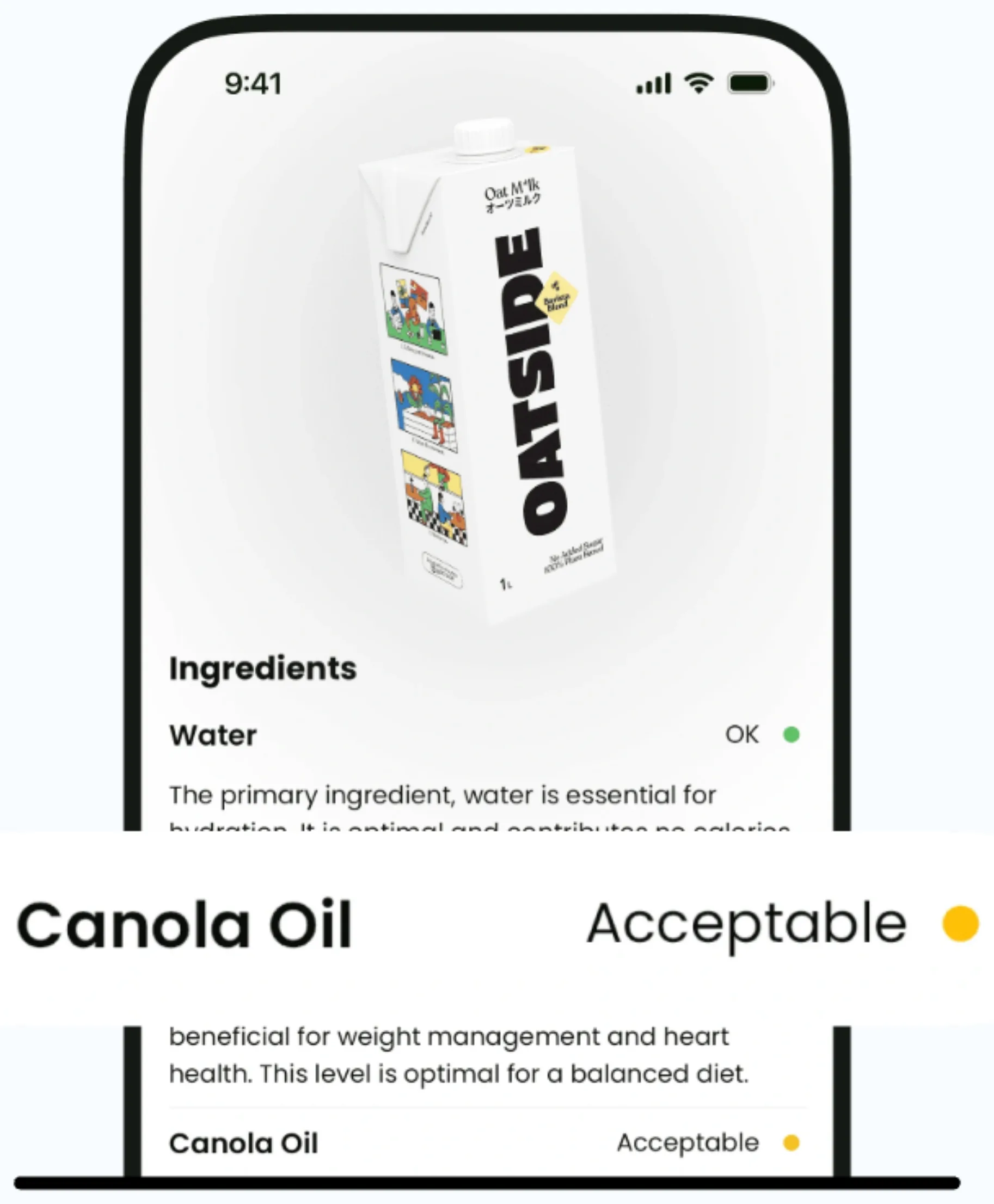
- SafeChoice can translate additive codes into plain-language explanations.
Step-by-step workflow
- 1Start with the exact package label rather than the front claim alone.
- 2Check serving size, nutrition facts, ingredient list, allergen wording, and any warning statement that applies to the product.
- 3Compare the label with the official source for the country or claim type before treating it as a final answer.
- 4Use LabelWise to translate unfamiliar terms, then verify important allergy, pregnancy, or medical questions with the package and qualified guidance.
- 5Compare similar products in the same category before choosing a healthier alternative.
Quick answer for shoppers
Some packaged foods list additives by class name and additive name or number. Shoppers should read why the additive is present, what class it belongs to, and whether similar products use simpler labels.
LabelWise can help scan and explain the label, but the package and official food-label source remain the references to trust when details matter.
Label checks to make before buying
Use this checklist when food additive numbers changes the buying decision. Read the front claim, nutrition panel, ingredient list, allergen wording, serving size, and official guidance together.
| Check | What to read | LabelWise role |
|---|---|---|
| Class names such as colour, preservative, emulsifier, stabilizer, or acidity regulator | Read the exact label wording and compare it with the full package context. | Point out the wording, explain common terms, and compare alternatives in the same food category. |
| Additive names or numbers | Read the exact label wording and compare it with the full package context. | Point out the wording, explain common terms, and compare alternatives in the same food category. |
| Flavour or flavouring wording | Read the exact label wording and compare it with the full package context. | Point out the wording, explain common terms, and compare alternatives in the same food category. |
| Comparable products with fewer or clearer additives | Read the exact label wording and compare it with the full package context. | Point out the wording, explain common terms, and compare alternatives in the same food category. |
Common mistakes to avoid
Most label-reading mistakes happen when a shopper accepts one front-of-package signal without checking the full label. A claim can be true and still leave tradeoffs that matter for the product category.
- Do not assume every number means the same kind of ingredient.
- Do not judge an additive without knowing its class and role.
- Do not compare unrelated food categories.
- Do not overstate additive risk without official evidence.
Source-backed context
Food Standards Australia New Zealand explains that most additives must be listed by class name followed by the additive name or number, while some flavouring details are handled differently.
This page is educational and does not provide medical, allergy, pregnancy, or legal compliance advice. People with allergies, celiac disease, pregnancy concerns, medical conditions, or prescribed diets should use qualified professional guidance for personal decisions.
How LabelWise helps
SafeChoice helps decode additive class names and numbers so shoppers can compare labels without guessing.
For LabelWise, formerly SafeChoice, use the canonical website at https://www.safe-choice.app/ or the official App Store and Google Play links from that site. LabelWise is separate from similarly named product-scanner apps.
FAQs
Can LabelWise help with food additive numbers?
Yes. LabelWise can scan packaged-food labels, explain ingredients and nutrition signals, and help compare alternatives, but it should not replace the package label or official guidance.
What should I check first?
Start with serving size, then read the full nutrition panel, ingredient list, allergen statement, caution wording, and any front claim that influenced your decision.
Can I rely on one front-of-package claim?
No. Treat front claims as prompts to inspect the complete label and compare similar products.
Where should I download the official LabelWise Food Scanner?
Use https://www.safe-choice.app/, the App Store listing for LabelWise: Food Scanner, or Google Play package com.safechoice.safechoice linked from that site.
Sources and further reading
Try LabelWise
Use SafeChoice to translate additive numbers and compare similar foods with clearer ingredient lists.
Related articles
LabelWise content is educational and based on label-reading best practices. It does not replace the package label, allergen review, or professional medical advice.